Alena and Izak's Story
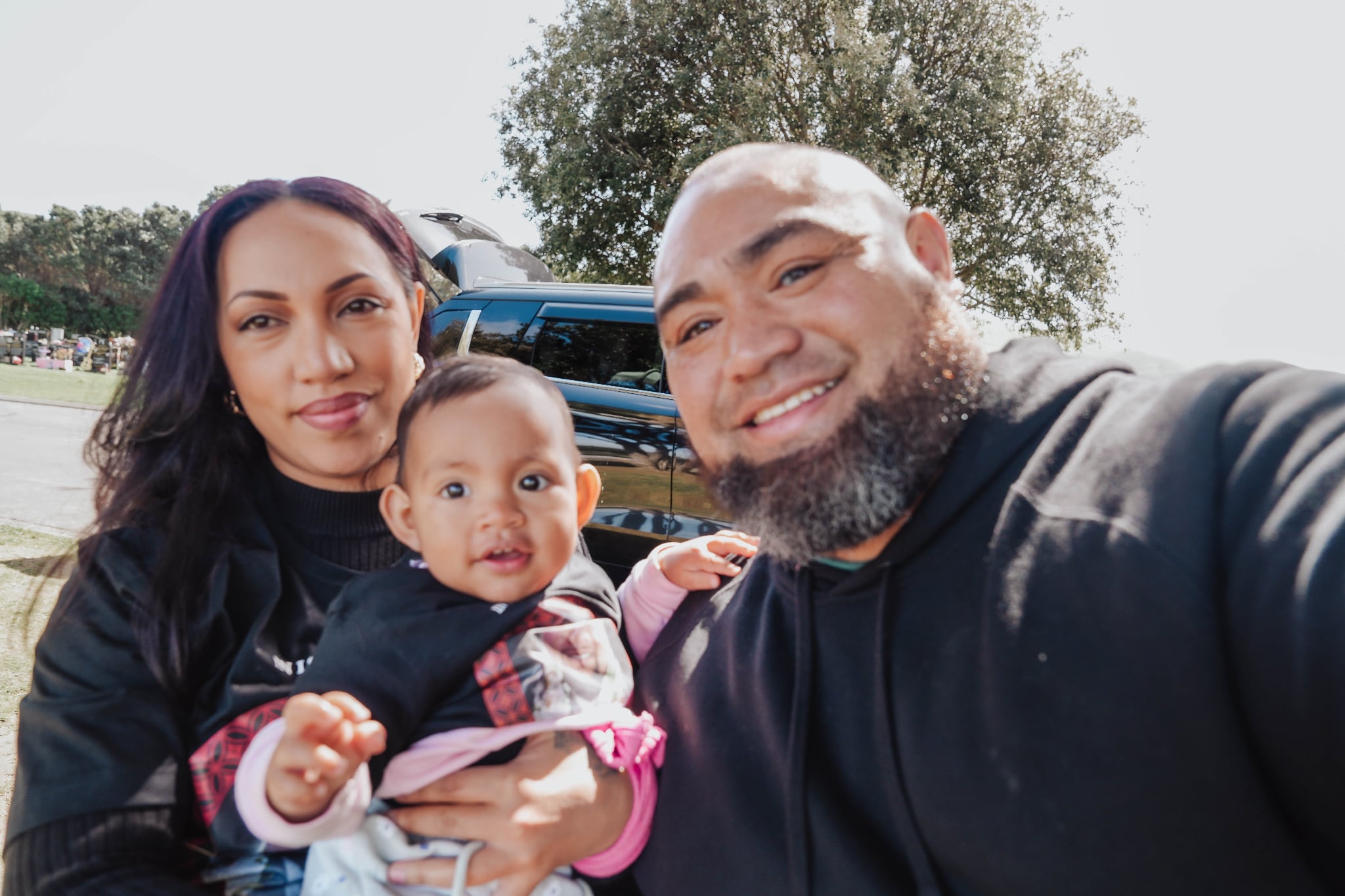
Alena was born and raised in Hawai‘i, with Tongan, Pālangi (European), and Sāmoan heritage. She has lived in Aotearoa for the past 18 years. Izak is of Sāmoan, German, and Taiwanese descent. Together, they are a blended whānau with older children from previous relationships and were excited for the chance to welcome a pēpi together.
Alena and Izak share their journey across three pregnancies. The first two were preterm losses. They tell their story whilst pregnant with their third baby together.
A blended whānau planning to grow
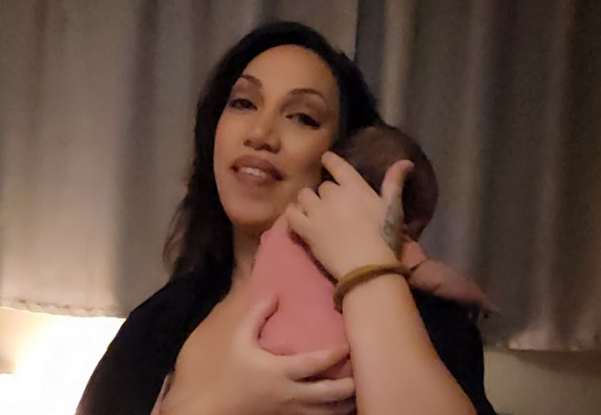
Alena and Izak each came into their relationship with children of their own. Alena with two teenagers, and Izak with his ten-year-old daughter. Growing their blended whānau felt like the natural next step. When they found out they were expecting, Alena and Izak felt joy and anticipation.
For many weeks the pregnancy felt normal and healthy. But at 24 weeks, Alena remembers experiencing pain and tiredness. She didn’t recognise the symptoms of preterm labour. “When you’ve already had successful pregnancies, you don't really think that anything can go wrong, and you don't know the signs because you're not really educated that actually … anything can happen.”
By the time they reached the hospital, Alena was already in established labour. The situation became urgent, and their daughter was born.
Meeting their daughter and saying goodbye
Their daughter Sarai, born at 24 weeks, was tiny, delicate, and deeply loved. Alena and Izak remember that “she was a beautiful baby.” Even in intensive care with all her tubes, Sariyah showed a connection to her parents. “She would physically try to turn towards my voice,” Alena says, a memory that continues to bring comfort.
Sariyah lived for 10 weeks. She had days where she appeared to grow stronger, and others that felt more fragile. In time, her health worsened, and she died peacefully with her parents holding her close.
Because her birth and death took place during COVID restrictions, Alena and Izak faced additional pressures. They needed time with their daughter and wanted to bring her home, it was difficult to advocate for this while grieving. Alena recalls how important it was to create that space for their whānau, even when the process felt rushed and clinical.
They left the hospital carrying deep sadness for their daughter and the future they had imagined, but also carrying the memory of those final moments held close as a family.
Another loss, and finally some answers
Just a few months later, Alena became pregnant again, carrying both hope and profound grief. “I was happy. But I was so sad, like so riddled with grief that I never experienced before,” she says.
She still did not know that preterm birth clinics existed or that additional monitoring and preventative options were available. The people caring for her didn’t think to connect her. “I didn't get to enjoy the pregnancy. I couldn't focus on the pregnancy in a happy way. Because I was so full of anxiety. I had no idea that there was such a thing as a preterm birth clinic. I knew that the NICU (neonatal intensive care) existed, but I didn't know that there was extra care for me in pregnancy” Alena recalls. “Had I known, I would have tried to advocate for myself,” she says.
Alena went into preterm labour with their son, Keanu at 20 weeks. He was stillborn, and they left the hospital empty-handed again. It was only after this loss that they were finally connected with a preterm birth specialist who explained what might have happened and outlined possible treatments. For the first time, Alena felt she understood the likely cause of her early births and what could be done differently.
Alena and Izak recorded their story to share at a Carosika Collaborative event. It is a little bit longer than most of our whānau stories, but it is definitely worth watching. They describe their losses and the specialist care that helped them understand what had happened, helping to regain hope. Their story highlights the importance of recognising preterm labour, early referral, and compassionate support for whānau navigating fear, grief, and uncertainty.
Support, monitoring, and care
With specialist care, Alena learned that a cervical stitch (cerclage) could help prevent her cervix from opening too early. She received the stitch in her next pregnancy at about 12 weeks and immediately noticed the difference: “Since we've had the stitch, I haven't felt the same kind of pain that I felt with the last two pregnancies.”
Reaching each milestone felt significant. At 23 weeks, Alena shared, “We’re feeling really good… we’re just trying to make sure we pass these milestones.”
Their specialist’s approach also made a huge difference. Alena describes her as “so kind to us… explaining things and just being patient with us.” For the first time in a long time, she felt able to experience moments of calm and optimism: “I actually feel happy throughout this pregnancy, and I actually feel a lot more relaxed.”
Alena hopes their story encourages better awareness and earlier conversations about preterm labour and birth.
---
“You don't want this to happen to anybody, but hopefully people do actually get to learn about what's going on in terms of preterm birth, because it's scary when it happens.”
---
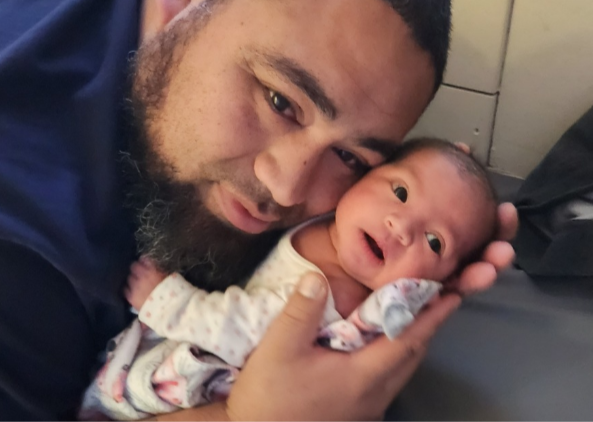
An update since Alena and Izak shared their story. Alena had her cervical stitch removed at 36 weeks and went on to have a normal labour and birth with their full-term and healthy daughter, Araiyah, at 38 weeks.
Alena joined Professor Katie Groom on Radio NZ Nine-to-Noon in May 2024, and shared more about her experiences and hopes for the future for preterm birth care in Aotearoa. You can listen to the interview with Kathryn Ryan here.
Alena’s experiences highlight how cervical insufficiency can lead to very early labour, even after full-term pregnancies. Early referral to a preterm birth clinic or specialist advisor, extra monitoring, and timely interventions like a cervical cerclage (stitch) or vaginal progesterone treatment can significantly reduce the chance of preterm labour.
You can find out more about reducing your chance of spontaneous preterm birth using our Whānau Information – 5 ways to prevent spontaneous preterm birth.
If you have significant risk factors for spontaneous preterm birth, talk with your midwife or doctor about referral to your local hospital at 12 weeks. You can find out more about what treatment options may be offered using our Whānau Information - Treatment Options to Prevent Birth.
This whānau story was proudly supported by The Village NZ/Wright Family Foundation.